One of the most common sources of frustration in construction — both in Multan and across Pakistan — is the gap between expected and actual timelines. Clients are often told a house will be ready in twelve months and find themselves moving in twenty-four months later, with unresolved snags still to fix. Understanding why this happens — and what a realistic schedule actually looks like — is one of the most useful things you can know before starting a build.
The following timeline is based on Intex Aura's experience delivering residential projects across DHA Multan, Buch Villas, Multan Cantt and the wider city. It assumes a standard residential villa of 500 to 800 square metres on a single plot, with full interior fit-out delivered by the same firm. Actual timelines vary based on size, specification and how quickly decisions are made.
Phase One: Design & Approvals (2–4 Months)
Before a single foundation trench is dug, the design must be complete and approved. This phase includes architectural design, structural engineering, MEP (mechanical, electrical and plumbing) coordination and submission to the relevant authority — DHA Multan, Multan Development Authority or the relevant cantonment board, depending on location.
The approval process in DHA Multan is generally well-organised and predictable — typically four to eight weeks if drawings are submitted correctly first time. Multan Cantt approvals follow military engineering procedures and can take somewhat longer. Buch Villas has its own approval process through the developer.
The main cause of delays in this phase is incomplete or changing client briefs. Every week spent refining the design before approval is a week saved on site — changes on paper cost a fraction of changes in concrete.
Phase Two: Foundation & Substructure (1–2 Months)
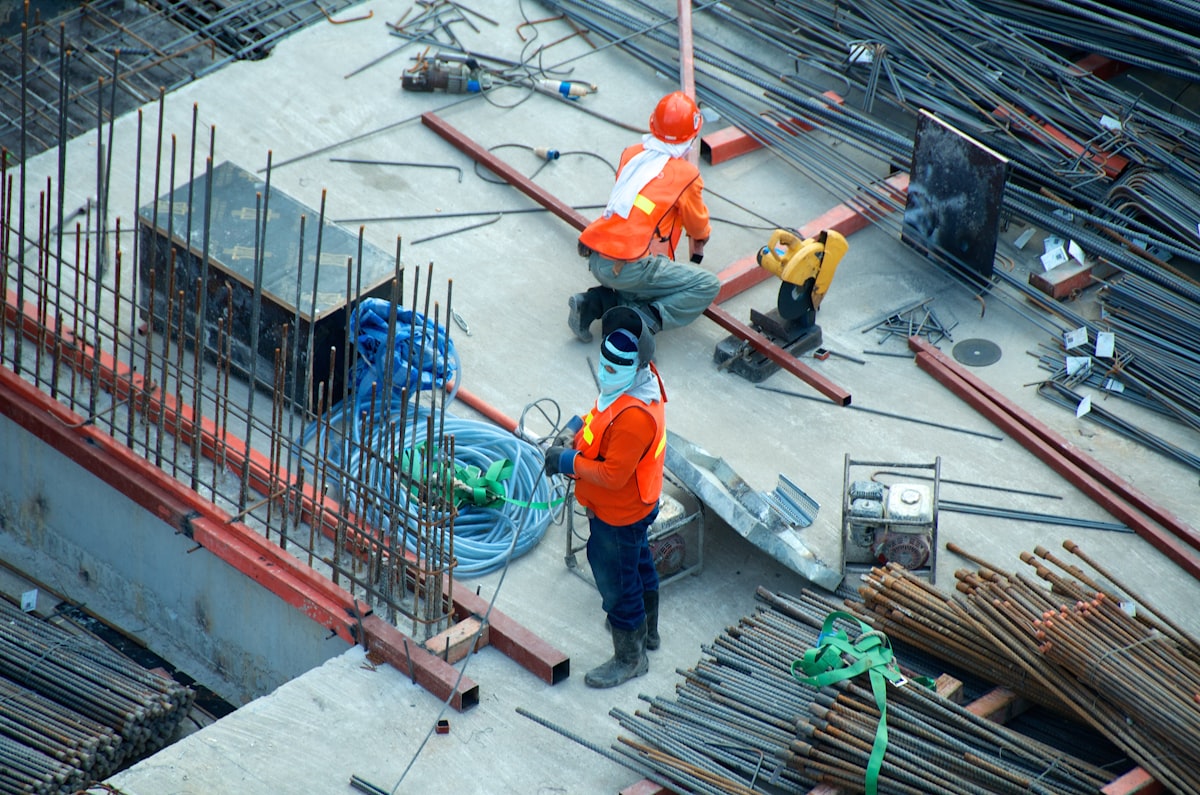
Excavation, foundation trenches, PCC (plain cement concrete), footings and ground floor slab. In Multan, soil conditions are generally stable across DHA Multan and Buch Villas, though the older areas of the city and some Cantt neighbourhoods can have fill or disturbed ground that requires more careful foundation treatment.
This phase is weather-sensitive. Starting foundation work in May or June — Multan's hottest months — requires careful concrete curing: water curing for a minimum of seven days, shade protection and careful timing of pours to avoid peak-heat hours.
Phase Three: Grey Structure (4–8 Months)
Grey structure — columns, beams, slabs, brick infill walls and roof — is typically the longest single phase. The pace is set by the slab cycle: how quickly each floor can be formed, poured and struck before moving to the next.
For a typical two-storey villa in DHA Multan, the grey structure takes four to six months in good conditions. Three-storey buildings add two to three months. Summer heat slows concrete work; Eid breaks and harvest seasons affect labour availability in South Punjab more than other regions.
Phase Four: External Envelope (1–2 Months)
Plastering exterior walls, installing windows and external doors, waterproofing the roof and completing external drainage. This phase must be completed before interior finishes begin in earnest, as leaks or moisture ingress discovered later are expensive to rectify.
Phase Five: Interior Fit-Out (4–8 Months)
Interior fit-out is the most complex phase — plumbing rough-in, electrical rough-in, internal plastering, tiling, joinery installation, painting, fixture installation and final finishes. The work is highly sequential: tiling cannot start before plumbing is rough-in complete; painting cannot start before plaster is fully cured; joinery cannot be installed until walls are painted.
For a full-specification interior — custom joinery throughout, natural stone, bespoke lighting — this phase takes six to eight months. Rushing it produces visible results: poorly cured paint, joinery gaps, inconsistent grout lines. Good contractors don't rush fit-out.
Phase Six: Snagging & Handover (4–8 Weeks)
A thorough snagging process — inspecting every room, testing every system, documenting and rectifying defects — is essential before handover. Our handover process for projects in DHA Multan and Buch Villas includes a written snagging list, a rectification period and a final walkthrough sign-off with the client.
Total Timeline: 14–24 Months
A well-managed, full-specification villa from design to handover takes 14 to 24 months depending on size, complexity and the pace of client decision-making. Anyone promising significantly less should be asked, specifically, how they plan to achieve it — because quality construction in Multan's climate cannot be significantly accelerated without compromising the work.